Having a cat poop outside its litter box is one of the most common and frustrating issues that cat owners deal with. Not only is it smelly and unpleasant to clean up, but it can also damage carpets if the mess isn’t treated right away.
The good news is that there are several effective tips and tricks you can try to deter your cat from pooping on the carpet again. In this article, we’ll explore tips & tricks for how to stop cat pooping on carpet and keep your carpets clean and stain-free.
Tips To Stop Cats From Pooping On Carpets
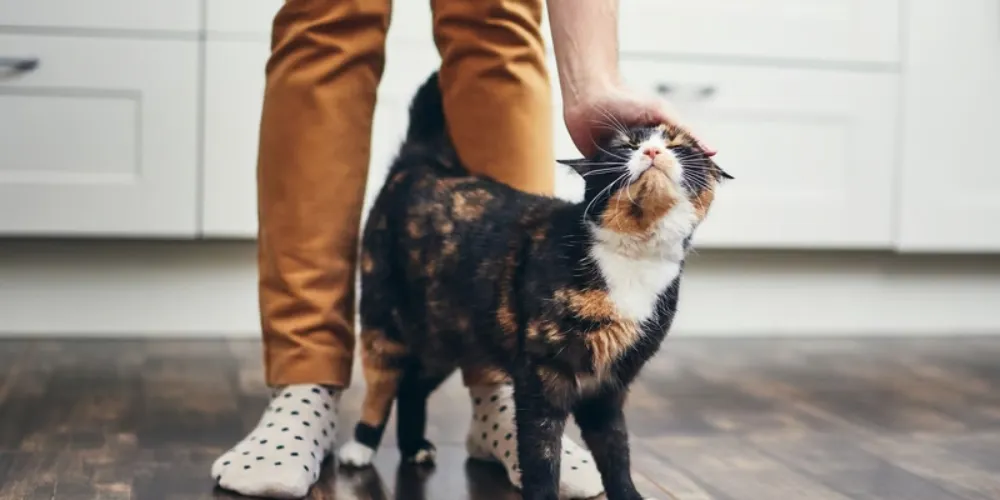
Here are some important hacks to stop your cats from pooping on your carpet. Read them thoroughly.
1. Rule Out Medical Issues
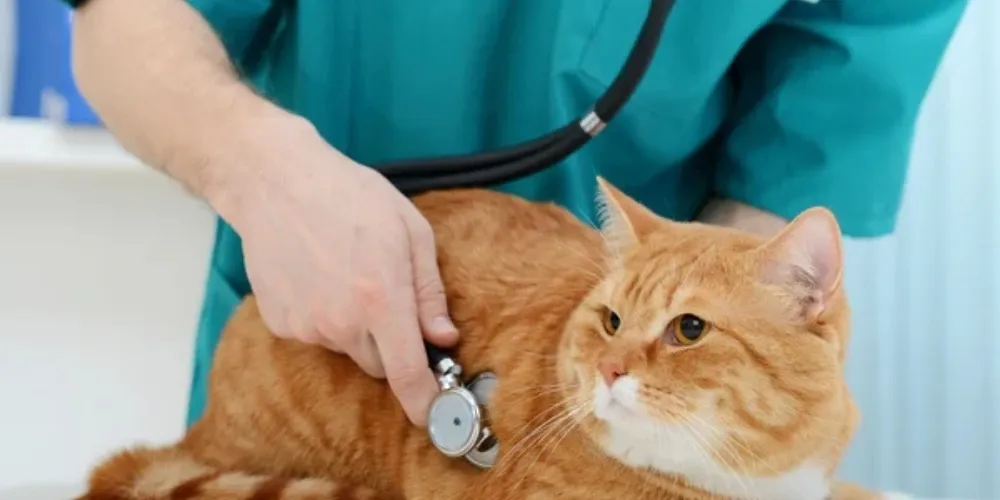
Before trying behavior modification techniques, it’s essential to take your cat to the vet first to rule out any underlying medical issues causing it to go outside the litter box. Conditions like urinary tract infections, diarrhea, or constipation may be the reason. Getting them treated will likely stop the inappropriate pooping.
2. Make the Litter Box Attractive
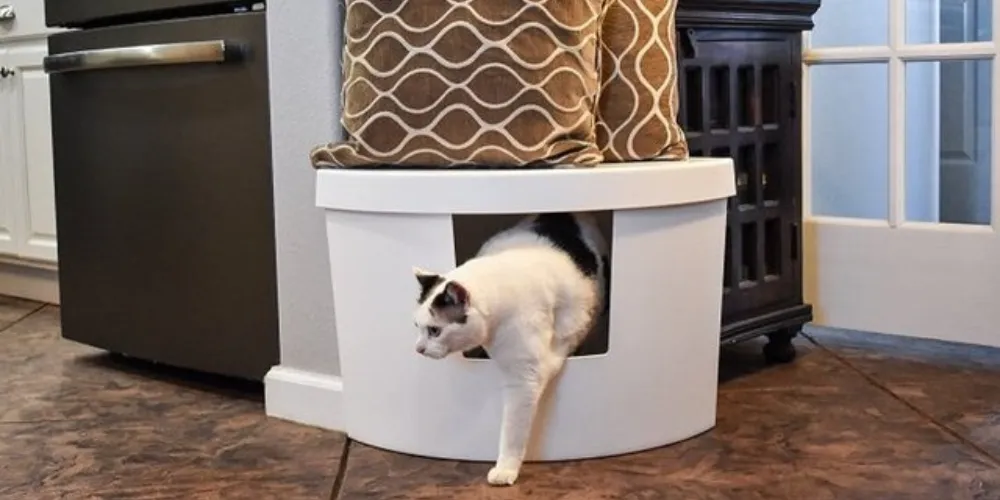
Many cats poop on carpets because they don’t like their litter boxes. Making the litter box clean, comfortable, and attractive for your cat can encourage them to use it. Scoop all poop at least once a day.
Replace the litter at least every other week. Use unscented clumping litter as the material. And have a generously sized box so they can move around. You can even try different litters or box styles like top-entry ones to see if that makes a difference to your fussy feline. Location also matters, so keep it in a peaceful spot in your home.
3. Use Deterrent Sprays
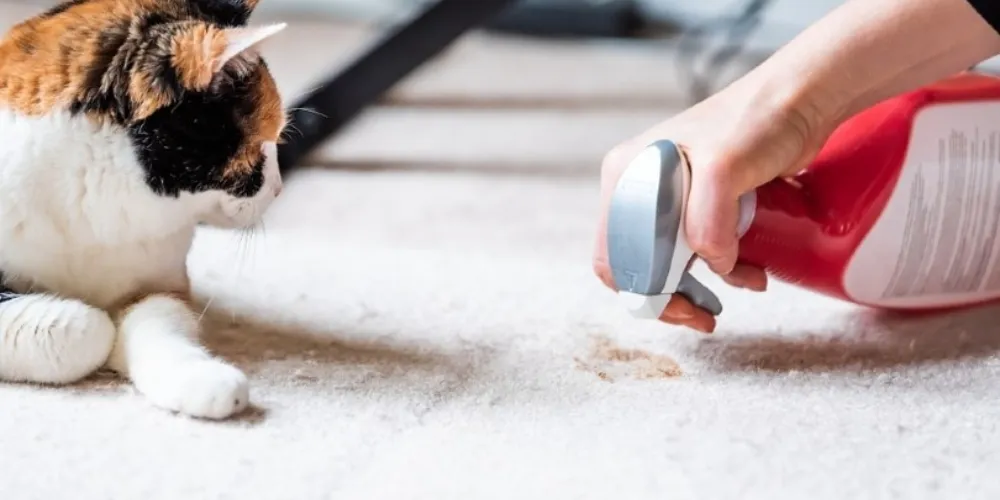
Deterrent sprays, such as ones containing citrus or menthol scents, may deter your cat from pooping in unwanted areas when applied to carpet surfaces. Reapply these scents daily initially.
Just check labels before using sprays around your cat to ensure they are non-toxic for kitties when dry. Place some scrap fabric in the area first to test your cat’s reaction.
4. Restrict Access
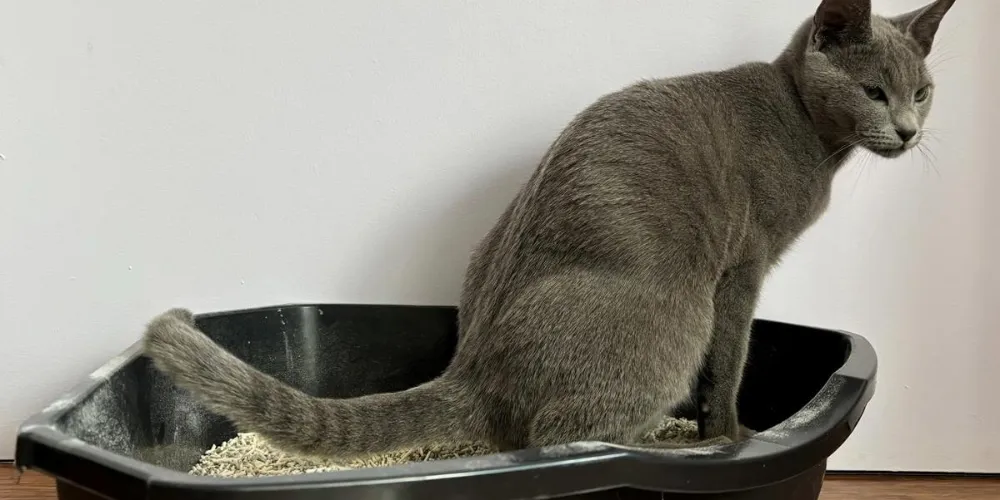
If your cat prefers to use the carpeted areas to poop on, consider restricting access by closing doors or placing physical barriers like pet gates in entryways. This can break the habit long enough for retraining to be successful.
You can also place aluminum foil, double-sided sticky tape, or plastic carpet runners upside down on specific areas the cat should avoid. These surfaces feel unpleasant on paws and should convince them to move on.
5. Clean Soiled Areas Properly
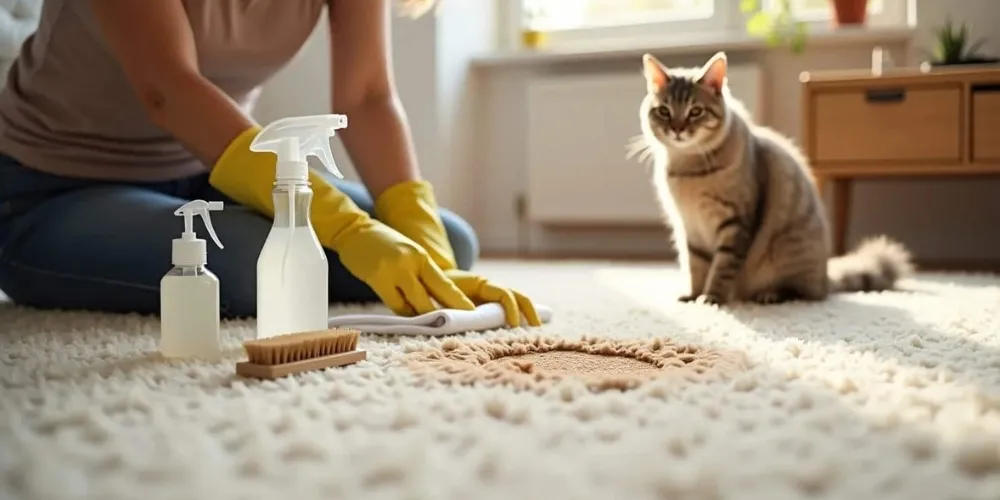
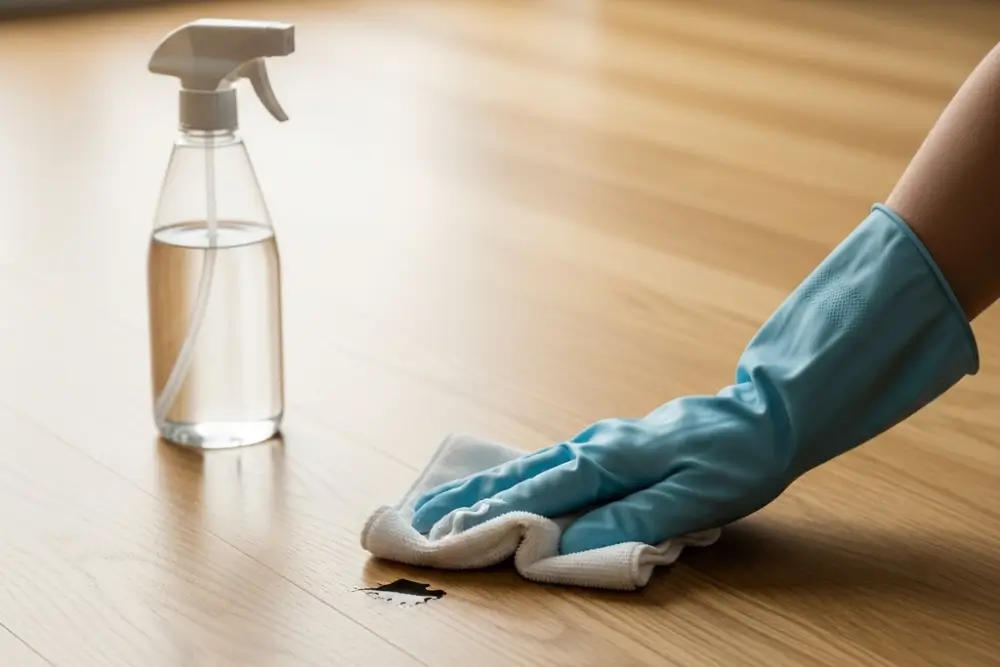
Be sure to thoroughly clean past accident areas with an enzymatic cleaner to eradicate odors. Cat noses are highly sensitive, so that any lingering scent can draw them back repeatedly. Use products specially formulated to neutralize pet stains and odors effectively.
Afterward, place bowls of baking soda over the area, followed by vinegar, to absorb any residual smells once dry. This should neutralize and refresh the spot fully. Let your cat witness the efforts, too, so they observe that whatever made the area smell better is no longer there.
6. Use a UV Flashlight
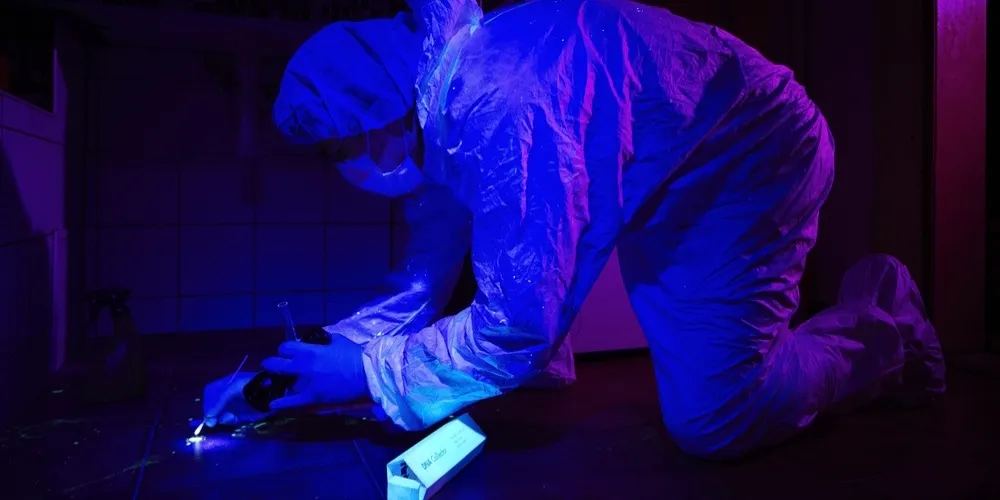
A surprisingly effective tip is to use a UV blacklight flashlight on carpets in a dark room. Cat urine and feces will glow brightly, allowing you to spot all soiled areas for proper cleaning. Even very old, set stains will be apparent.
Some pets can still detect lingering odors even if we can’t see or smell anything ourselves. So use this trick periodically to find every last trace if marking persists in odd spots. It’s vital to erase all evidence.
7. Add More Litter Boxes
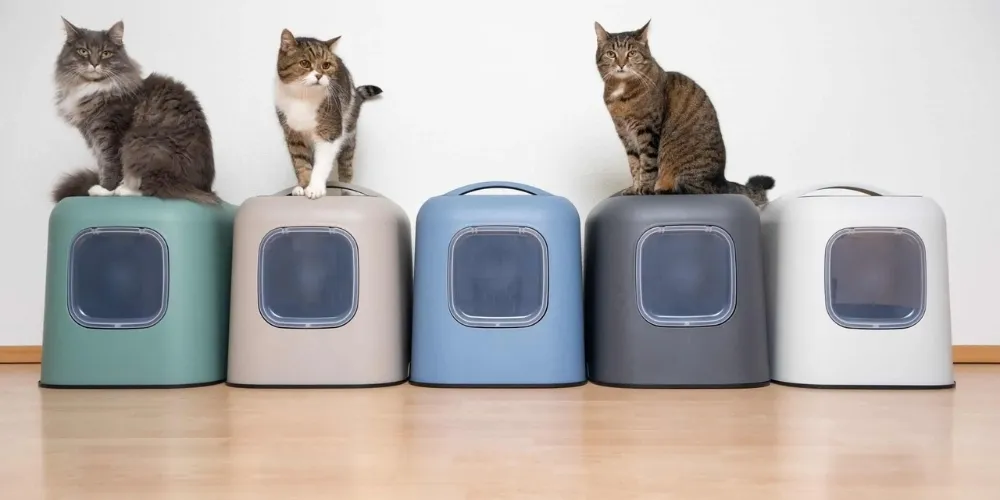
Sometimes the simplest fix is to provide your cat with more desirable places to go by adding extra litter boxes around your home. Place an additional box or two in rooms far from the original one to provide them with sufficient convenient options.
The general recommendation is one more litter box than the number of cats you own. And make sure to scoop and clean all of them regularly so they stay appealing choices. Be sure to monitor which boxes get used before disposing of any empties.
Try different cat litter brands too, in case your fussy feline has a preference for sand-style, crystals, pine pellets, or something else. Providing them with desirable locations and materials can stop any confusion about where they should go.
8. Use Playtime as Positive Reinforcement
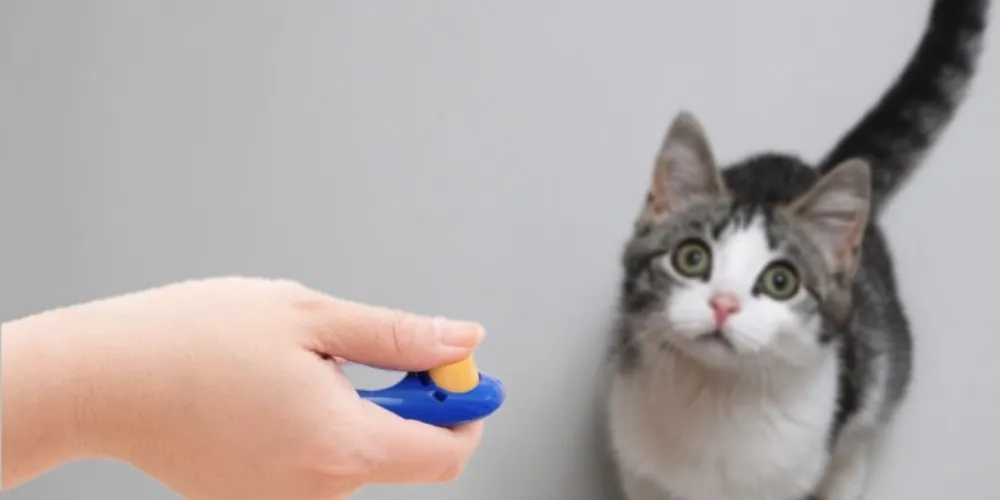
Engage your cat in longer, vigorous play sessions right after they’ve successfully used their litter box. Toys like feather wands that let them stalk and chase prey can be even more rewarding and reinforcing when used as praise afterward.
You can also give them a favorite treat they only receive for going to the proper potty place. This positive reinforcement helps cement the habit while redirecting any investigative instincts into appropriate play areas rather than on your carpets. Just be patient, as it may take some time to see the improvements.
9. Consult an Expert
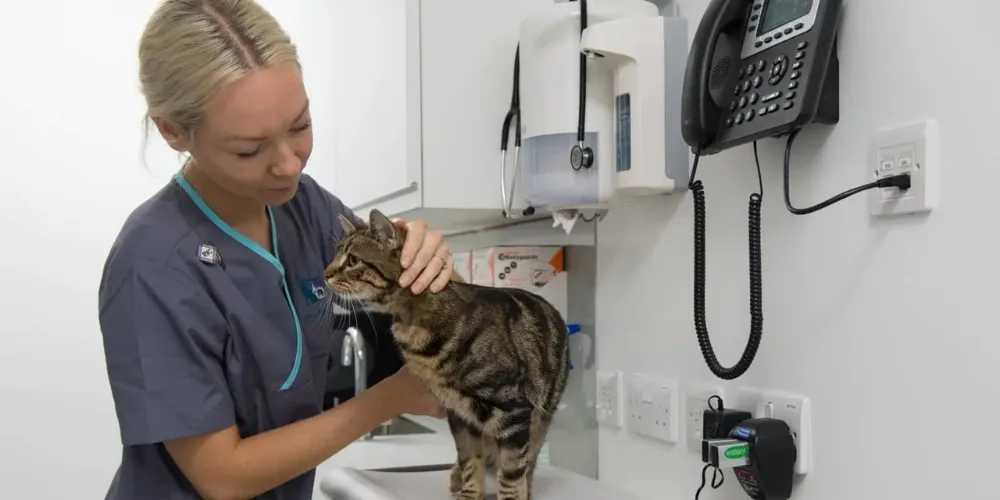
For troublesome cases that persist despite your best efforts, speak to your vet about consulting a cat behavior specialist. Certified professionals can assess your situation and provide personalized advice on retraining techniques tailored to your pet’s unique needs and quirks.
They will evaluate your cat’s current habits in detail and pinpoint what motivates the litter box avoidance, specific to them. Steps such as more intensive reconditioning programs may be prescribed, incorporating positive associations and rewards. These tactics can often be effective in stubborn cases where other methods have failed to correct fully.
Causes of Pooping Cats on Carpet Flooring

To deter your cats from pooping on the carpet, it is important to understand why your cat does so. Here, we have listed some common causes behind this issue. Let’s have a look at them:
Medical issues: Your cat can poop on your carpet due to having some medical issues. It may be affected by inflammatory bowel disease, arthritis, or colitis. If you notice some symptoms in your cats, such as blood in urine, difficulty in moving or jumping, or increased vomiting, then you should go for a medical checkup of your cat from your veterinarian.
Stress or Anxiety: Cats can also defecate outside the litter box due to any stress or anxiety. The stress can be due to a new family member, a new environment, or a new pet in your home. If you notice your cat is stressed, consider changing the environment if possible and reassure your cat to provide calmness.
Dirty Litter Box: Some cats are reluctant to use the dirty litter boxes. If your litter box is also messy, consider changing or cleaning it. You can also resolve this problem by keeping one litter box for one cat. If you find it difficult to clean the litter box on your own, consider using a self-cleaning litter box, such as Litter-Robot 4. This box automatically cleans the litter box when the drawer is full of waste.
Type of Litter: To stop your cats from pooping on your floor, consider recognizing the type of litter you are currently using. Sometimes, the cats do not poop into a new litter box, and habituating them to a new litter causes problems. Therefore, if your cat is not adapting to a new litter and your old litter is still available, switch immediately to the old litter.
Improper Litter Box Placement: The improper litter box placement can also be a reason for pooping the cats outside the box. This happens when the litter box is not accessible to the cats, especially for the old cats with arthritis, who may find it painful to access the litter. It is advisable to locate the litter box in private, cool areas with low foot traffic.
Old Age: If your cat poops outside the litter, especially at night, it may be due to their old age. Some pet owners believe that old cats can have weak vision, which means that they might not see the litter at night and poop on your flooring. It can also happen due to cognitive dysfunction or cat dementia. If you notice such behavioral or cognitive changes in your cats, consult the veterinarian and try to resolve the issue.
Innovative Ways to Make The Litter Box Irresistible

Litter box problems often arise from fussy felines disliking something about their bathroom setup. Try these creative tactics so your cat can’t resist their comfy, appealing new pooping place.
-
Know Their Preferences
Some cats have strong preferences for specific types of litter textures. Experiment with various materials such as clay, pine, paper, crystals, pearls, grass, or even soil or sand. Scatter treats or catnip into test batches to entice users and stick with whatever they gravitate towards.
Just ensure the litter is non-toxic. Install mats, even heated ones, for comfort. Some cats adore flashy sights, so line boxes with shreddable holographic mylar or hang sparkly ribbons nearby to capture their attention.
-
Location
Cats want privacy, quietness, and accessibility in a bathroom spot. Place litter boxes in low-traffic rooms or more secluded areas that still allow them ready access without disturbances.
Off-limit spots behind closed doors should be open to them now. Set up mats around boxes to catch stray pieces. Keep their preferences in mind and adjust box destinations accordingly until they consistently use it.
-
Clean Up With Robots
Self-cleaning and robotic boxes automate scooping chores around the clock, keeping conditions pristine. Models with rakes, rotating inserts, or open-grate systems maintain spotless interiors, eliminating reasons for cats to refuse boxes.
Some brands separate waste compartments from litter to prevent smells from accumulating. Fully hands-free cleaning is possible for owners, even when cats use boxes immediately after they’ve been tidied. Invest in automation to avoid lapses in cleanliness from ever occurring.
-
Call in The Specialist
If you’ve tried countless types and locations of litter boxes with no success, bring in the pros for personalized solutions. Animal behavior consultants uncover unique motivations behind litter issues through private sessions with owners.
Multi-sensory deterrents, strategic setups, positive reinforcements, and prescriptive behavioral therapies will be tailored to each cat’s individual quirks to resolve problems. Though intensive, custom-designed plans address challenges that traditional tactics cannot.
Conclusion
Cats pooping outside the litter box can turn otherwise tidy homes into smelly messes. But there are many tips & tricks on how to deter cats from pooping on carpet. Start by making their pooping place more comfortable and appealing again. Then restrict carpet access, reward successes heartily, and thoroughly erase accident traces after they occur.
With some clever adjustments and training reinforcements, both your cat and your carpets can coexist in peace and cleanliness once again. Just be patient and consistent while determining the right modifications tailored to your finicky feline. If issues persist despite best efforts, consider consulting with an animal behavior expert to develop reconditioning programs that are effective and long-lasting.
Read more…