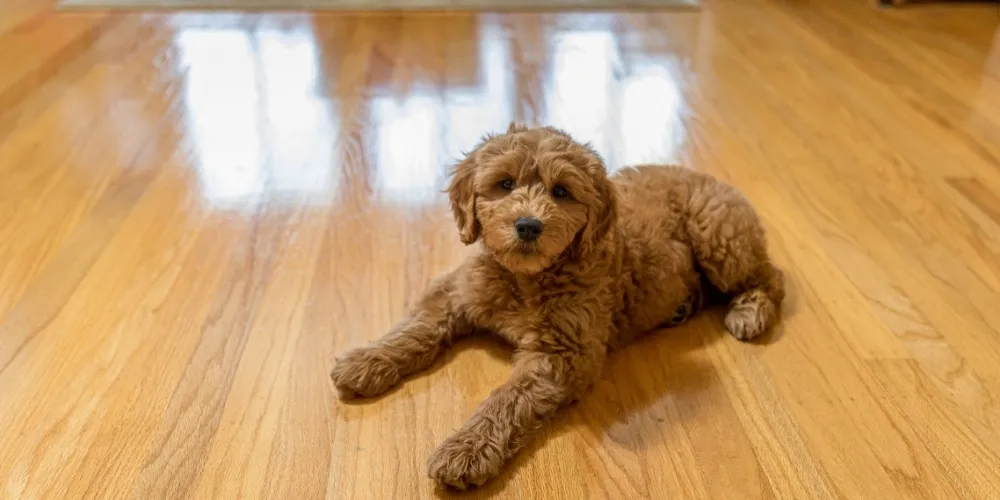
Hardwood floors can add warmth and beauty to a home. Unlike other flooring, a hardwood floor can withstand warping or any damage, maintaining the vibrancy of your interior. However, dogs with nails that click-clack across the floors can damage the wood over time. Scratches, gouges, and discoloration from accidents can ruin the pristine look of hardwood.
Fortunately, those searching for how to protect hardwood floors from dogs will find this blog very beneficial. With proper preparation and training, owners and dogs can coexist peacefully in homes with hardwood flooring.
Tips to Protect Hardwood Floors From Dogs
Here, we have mentioned some useful tips to protect hardwood floors from dogs. Let’s explore them:
1. Keep Nails Trimmed
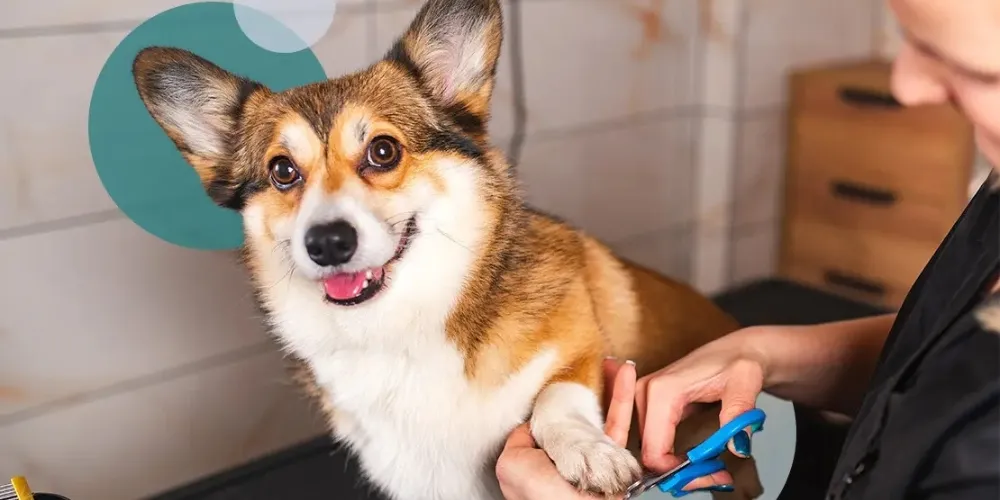
The main culprit when it comes to dogs damaging hardwood is their nails. If the nails are too long, they are more likely to catch on the flooring surface as the dog runs and plays.
Regularly trimming your dog’s nails is the best way to prevent excessive wear and tear. Use a nail clipper designed for dogs to trim the nails every two to three weeks. Only cut the white part of the nail, avoiding the pink portion inside, as this contains nerves and blood vessels.
If your dog is especially squirmy during grooming, consider asking your veterinarian or professional groomer for assistance. Be sure to always reward your dog with treats and praise for behaving during the process. This will help make the experience more positive.
2. Place Rugs
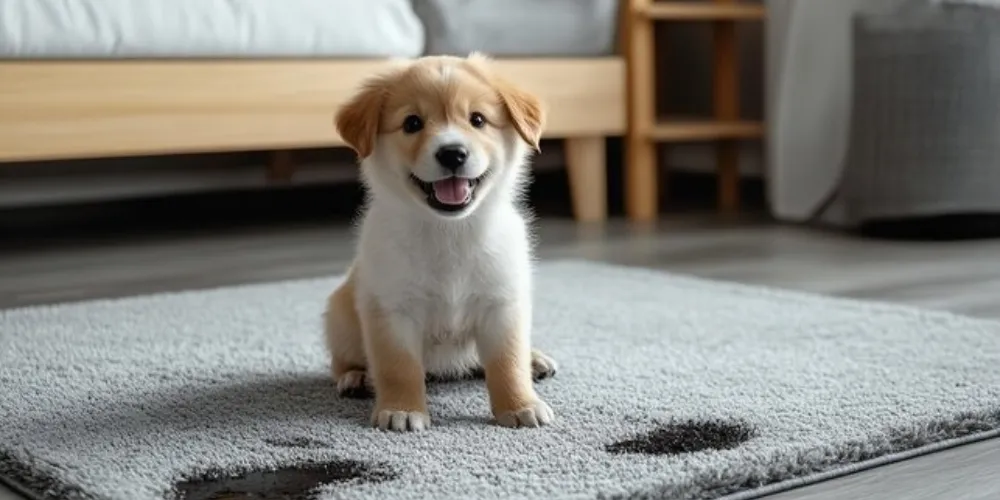
Another way to keep hardwood floors free of scratches is by using rugs and runners. These provide a layer of protection while still revealing some of the wood’s beauty.
Area rugs are ideal for high-traffic areas such as entryways, hallways, and at the top and bottom of staircases. The dense padding will absorb impact when dogs jump off furniture or bound through the home. Move rugs periodically to prevent uneven color changes in the flooring underneath. Rotate through different rugs to add variety to the look.
Runners are long, narrow rugs that can be placed in key pathways to enhance the look of a room. Position them near exterior doors and between rooms where your dog frequently travels. This guides them to walk on the rug rather than the bare floors.
Use rug pads underneath any rugs to prevent slipping. Check regularly that rugs are still securely attached to the pads so they don’t become a tripping hazard.
3. Add Booties
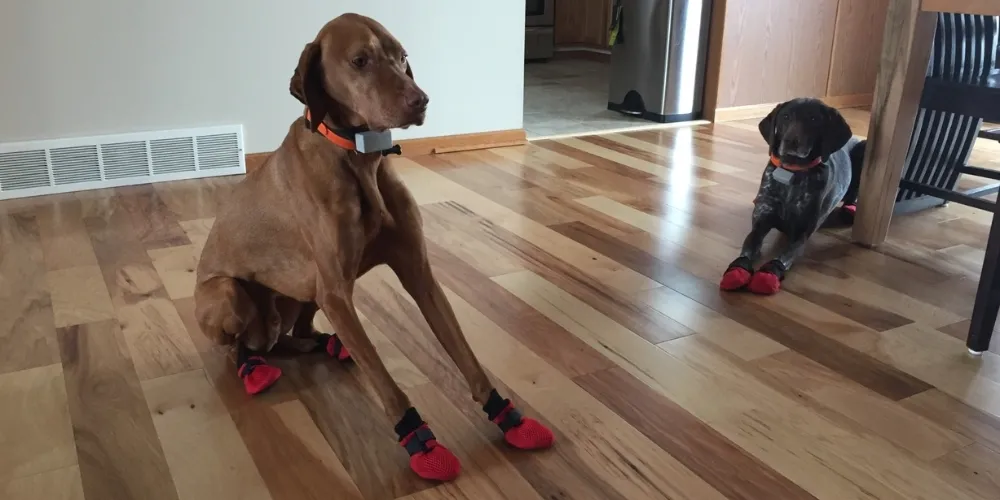
Some dogs require a little bit of traction to maintain their balance on slippery hardwood. Their paws slide out, which can lead to falls. Adding vinyl or fabric booties provides stability while also protecting floors.
Look for booties that fit snugly and don’t slip off easily. There should be room for the dog to wiggle its toes inside. Measure your dog’s paws carefully and follow sizing guides when selecting booties.
At first, only put on one or two booties at a time. Give your dog treats as you put them on and take them for short walks inside to get them used to the feel. Eventually, work up to all four. Be patient during this training process.
Take the booties off periodically to allow your dog’s feet to breathe. Only leave them on for short periods when your dog will be active on hardwood floors.
4. Space Management
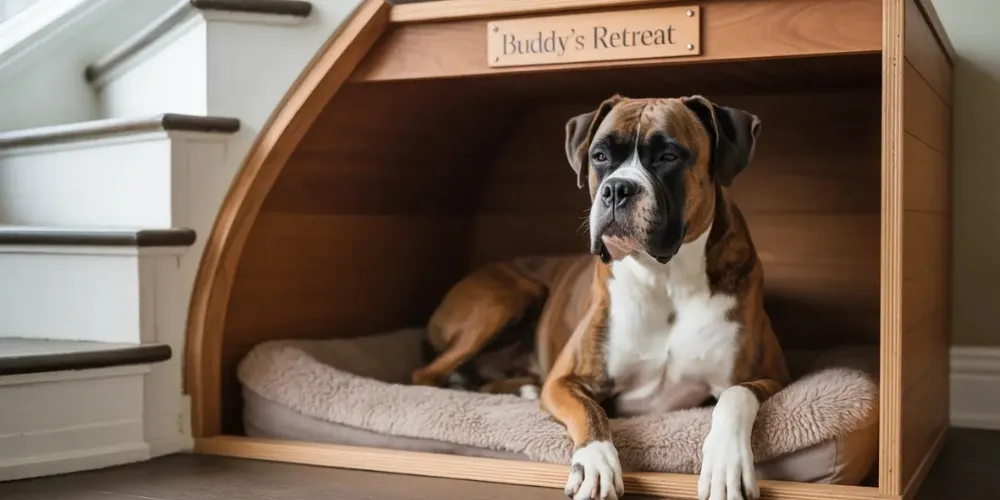
If you want to keep your dog away from parts of the home with exposed hardwood, use baby gates. Close off rooms or block stairways when you can’t actively supervise your furry friend. Just be sure the gates are sturdy and tall enough that your dog can’t jump over them.
Doors can also be effective barriers. Block rooms when you are away or use doorway gates that allow humans to step over but keep dogs out. Never completely restrict access to essential areas such as food, water, and doggy doors.
Restricting access takes some planning and supervision, but it is worthwhile if you want to preserve the hardwood floors in certain rooms or spaces. Rotate access so your dog isn’t stuck in one area too long.
5. Train Your Dog
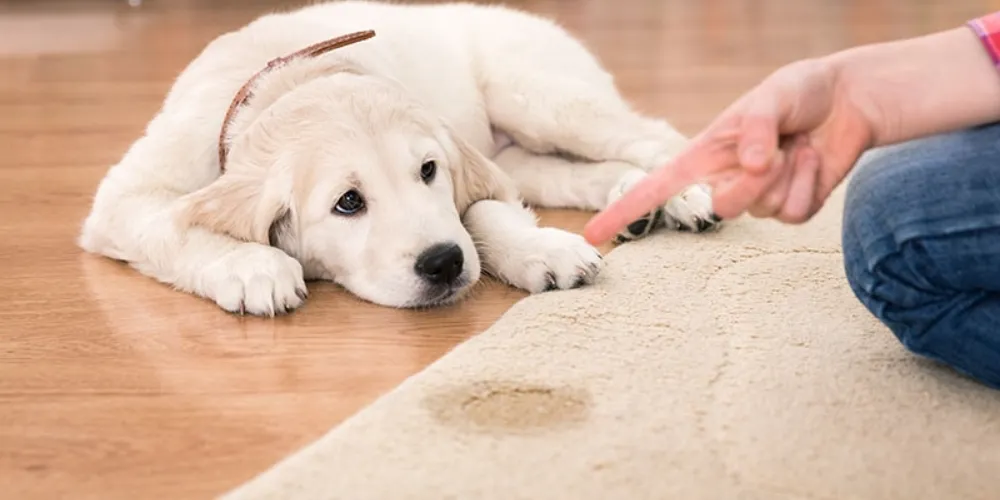
Here is what you can do if you don’t know how to protect your hardwood floors from dogs. One of the best protections for hardwood is training your dog to behave appropriately on it. Dogs that have been taught basic manners and commands will be less likely to run, jump, and play too roughly.
- Teach a “go to place” command – Have a dog bed or mat set aside. When you give the command, reward your dog with treats for going to their spot and staying there. Use this when you need them to settle down and stop moving around.
- Practice “off” training – Gently reinforce this each time you come home or when they get too excited. This prevents damage from scratching and bouncing against the hardwood.
- Redirect chewing – Provide plenty of sturdy chew toys. When you catch inappropriate chewing, interrupt it with a firm “no”, offer a toy instead, and praise when they start chewing the toy. This will protect woodwork like baseboards and moldings.
- Clean up accidents ASAP – Be vigilant about letting your dog out for regular potty breaks to avoid indoor accidents. If they happen, clean immediately with an enzyme cleaner to remove odors and stains.
Consistency is key when training dogs. Be patient, using positive reinforcement like treats, praise, and extra playtime when they act appropriately around wood floors.
6. Add Protective Coatings
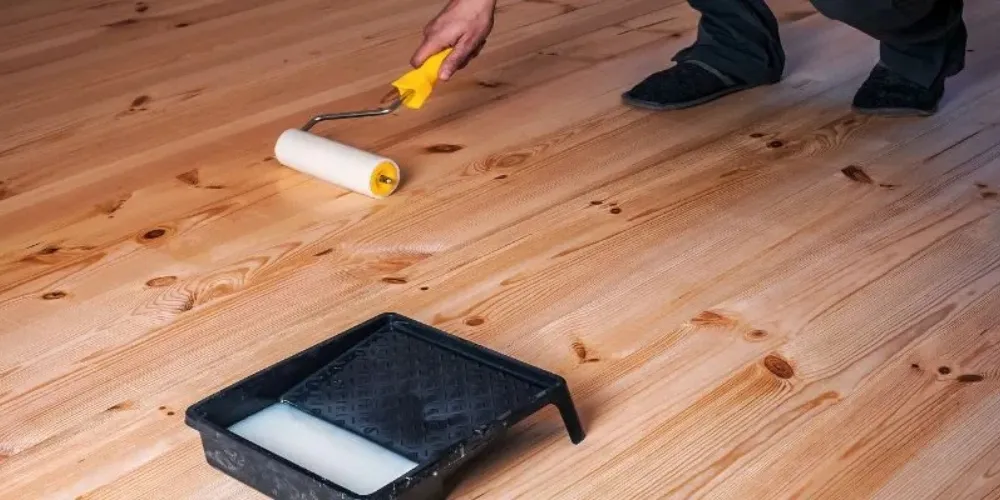
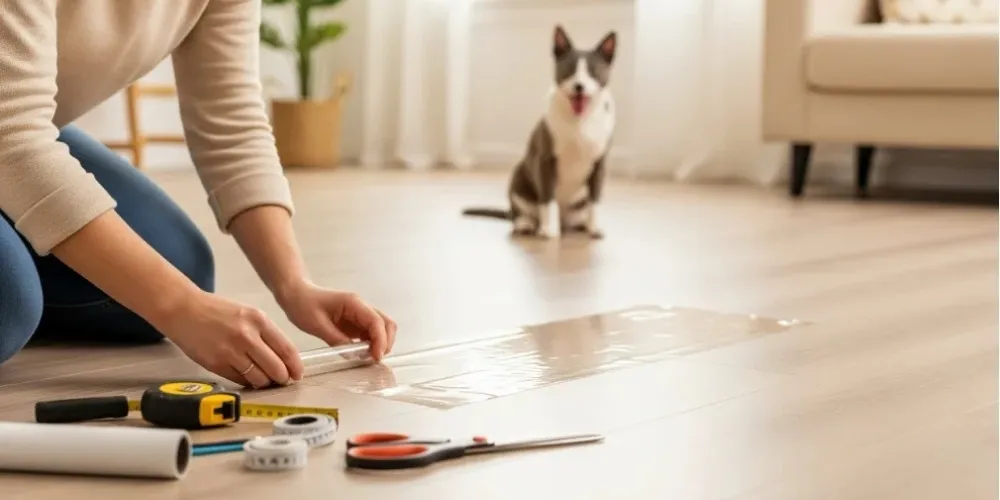
For long-term durability, consider adding a protective coating to your hardwood floors. These go on top of the wood, and some options can be purchased in colors and finishes to match or complement your current floors.
Polyurethane is one of the most common and effective protective coatings. It comes in different shades, from matte to high gloss. Multiple thin coats applied according to the manufacturer’s directions create a new wear layer on the floors. This prevents scratches and damage from penetrating the wood itself.
Water-based polyurethane is the best choice for dogs and homes as it dries faster and has less fume odor during application. Floors can be walked on with care after just a few hours instead of waiting days. Ventilate well regardless of the type used.
Other options are acrylic finishes, penetrating oils, and hard wax oils. Consult with flooring specialists to choose the best coating for your particular hardwood floors. Proper application is key – hire a contractor if DIY seems too challenging.
7. Hide Existing Damage
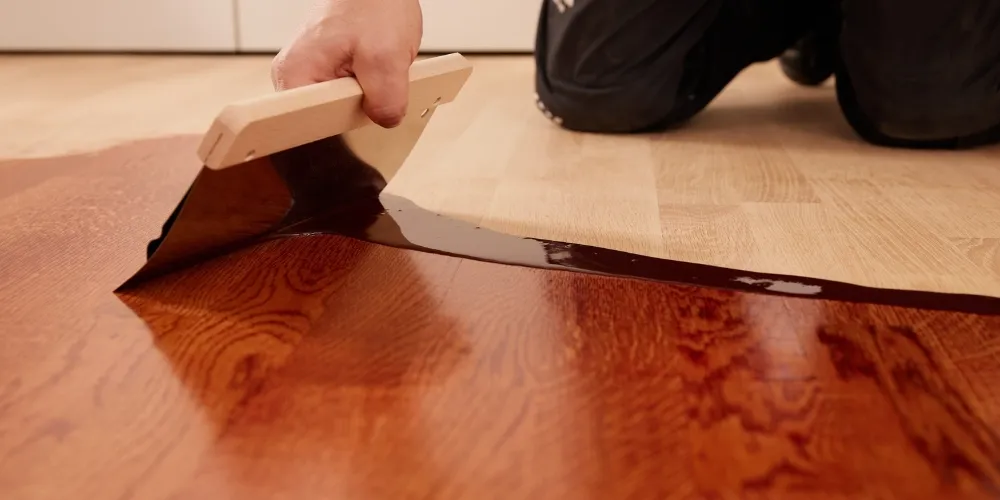
If your hardwood floors already show a good bit of scratches, gouges, and discoloration from your dog, you can disguise some of the damage. Here are options to improve the look without fully refinishing:
Color fill kits – Available in many wood tones, these are markers and crayons used to fill in scratches and scrapes. Apply to blend with the surrounding boards. The filler creates a smoother, more uniform look.
Furniture polish – For superficial scratches, work a small amount of furniture polish into the area using a soft cloth. Wipe off residue. As the wax fills the scratch, it will appear less visible.
Wood putty – For deeper gouges and missing chunks from dog bites or chewing, fill in the spots with wood putty that matches your floors. Carefully sand smooth once dry. Stain or color if needed to blend. Apply polyurethane over repairs.
Area rugs – Placing carefully planned rugs over worn areas, such as entryways and hallways, can help disguise damage. Style them into the room decor. Rotate periodically and clean under regularly.
While imperfect, these solutions can temporarily mask flaws until full refinishing or replacement is feasible. Protect floors going forward to avoid additional damage.
Common Mistakes to Avoid
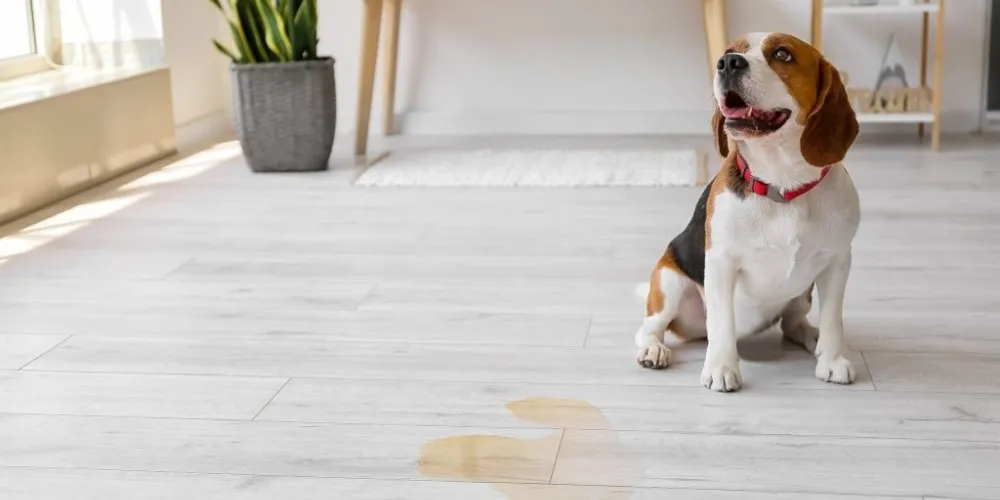
To protect your hardwood floors from your pets, you have to avoid some common mistakes that are mentioned below:
1. Choosing a High-Gloss Finish
Many homeowners opt for the high-gloss finishes, which reflect light and make scratches and stains from your pets’ paws more apparent. Therefore, it is advisable to use matte low-sheen finishes to hide the stains or any imperfections in your flooring.
2. Using the Wrong Cleaning Products
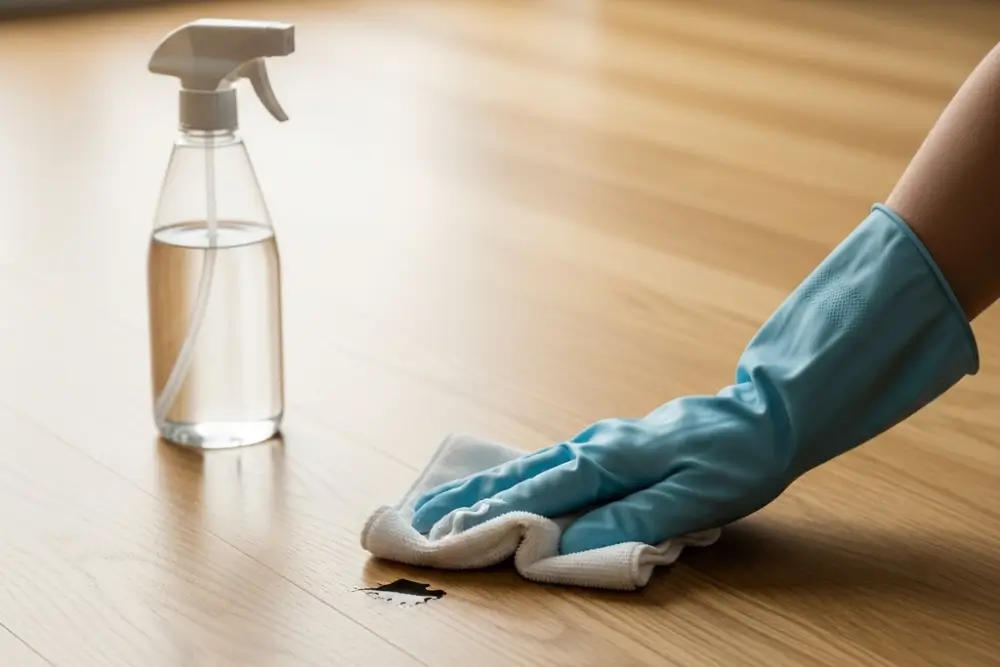
Some people apply the household remedies, the furniture polishes, and the steam cleaners to clean and maintain their hardwood floors. As a result, the flooring becomes more damaged. Thereby, use the pH-neutral or the commercial cleaners for your hardwood flooring.
3. Not Using Protective Measures for Your Furniture
When dogs move and play in your interior, the dragging of their crates and furniture leads to warping or scratching of your hardwood floor. Consider using protective or furniture pads under their crates or furniture to prevent damage to the floor.
4. Ignoring Paw Cleaning After Outdoor Walks
In winter, when your pets go for outdoor walks, the rock salt or de-icers on the ground become tracked in their paws. The immediate paw cleaning will prevent these chemicals or abrasives from embedding in your flooring.
5. Allowing Dirt and Grime to Accumulate
The dirt or sand that is tracked in the paws of your dogs disrupts the finish of your floor. Therefore, vacuum or clean your floor regularly to prevent the dust or grime from accumulating on your hardwood floor.
Questions to Ask Yourself
Before getting a dog, honestly evaluate whether you are willing to make changes to protect your hardwood floors. Ask yourself:
- Am I committed to regular nail trims and training in appropriate floor behavior?
- How much access am I willing to restrict using gates and doors?
- What protective steps fit my lifestyle and home layout?
- When will I work in time for protection tasks like adding rugs?
- Can I budget for booties, coatings, repairs, or future refinishing if needed?
- Will insulation, carpets, or other materials be part of my homework for the dog?
If you aren’t able to make adjustments and still can’t figure out how to protect hardwood floors from dogs, it may be better to consider other pet options or homes with durable flooring already in place. Don’t set up a situation that will frustrate both you and your dog.
In Conclusion
Hardwood and dogs can coexist through commitment and preparation on the owner’s part. Dogs with proper training and trimmed nails, along with protected flooring surfaces, can remain safe and reduce wear and tear on the flooring. There are numerous attractive options for disguising existing flaws as well.
While no method is entirely scratch and damage-proof, taking multiple precautions can improve the outcomes for your floors. Be proactive and consistent. With patience, you can have both the warmth of wood floors and the joy of a dog in your life. Monitor conditions and make changes as needed over time. Your ideal floors and furry friend relationship is achievable through care and effort devoted to protecting that precious hardwood.